Posted on 4/30/2026

Many Ford owners keep driving through early symptoms because the vehicle still feels usable. It starts, moves, and gets through the week, so the change doesn't seem serious enough to address right away. That is usually how repair costs begin to climb. Small issues tend to go unnoticed until extra wear builds up around them. The earlier you catch the shift, the better your chance of keeping the repair limited to one area. 1. Rough Idle Or A Light Misfire A minor misfire does not always feel urgent. You may notice a slight shake at a stoplight, a stumble during acceleration, or an engine that feels uneven for a few moments before settling down. Many drivers put that off because the vehicle still runs well enough. The trouble is that a misfire puts extra stress on the ignition and exhaust system. If it stays active too long, fuel can move into the exhaust and overwork the catalytic converter. A repair that might have started with plugs or coils can get much more e ... read more
Posted on 3/27/2026
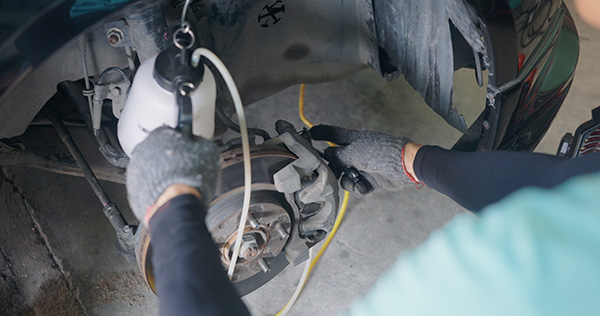
Brake fluid is easy to forget because it’s not something you see or smell day to day. The car can stop fine for a long time even when the fluid is past its best. That is exactly why people skip it until a brake job or a warning forces the conversation. A flush is not about making the pedal feel different for one drive, but it keeps the system healthy over the long haul. If you have never had it done, or you cannot remember the last time, it is worth understanding what changes inside the system over time. What Brake Fluid Does Beyond Moving Pressure Brake fluid transfers your pedal pressure to the calipers so the pads clamp the rotors. It also has to withstand heat without boiling, because the brakes generate a lot of heat during repeated stops. If the fluid boils, it forms vapor, and vapor compresses, which can reduce stopping consistency. The other job brake fluid does is protect internal components from corrosion. That matters because brake systems have sma ... read more
Posted on 2/27/2026
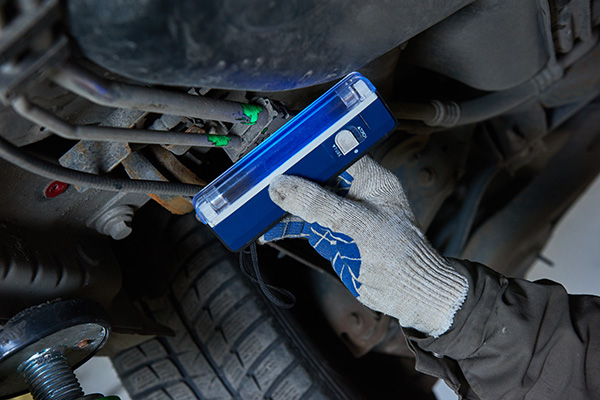
A/C leaks usually do not announce themselves with a big puddle or an obviously broken part. Most of the time, cooling just slowly gets weaker, especially on hotter days or when you are sitting in traffic. That slow change is why people end up topping off refrigerant more than once, even though refrigerant does not get used up. When you find the leak early, the repair is usually simpler, and the A/C stays cold longer. Why Dye Testing Works For A/C Leak Finding Dye testing works because most A/C leaks carry a little bit of refrigerant oil with them. A UV dye is added to the system, then the vehicle is run normally so the dye circulates with the oil. If refrigerant escapes, the dye tends to leave a trace at the leak point. Under a UV light, that trace stands out clearly, even when the leak is too small to spot with the naked eye. This approach is especially helpful for slow leaks that only show up under certain temperatures and pressures, which is common in real-wor ... read more
Posted on 1/30/2026

It’s frustrating when the check engine light comes on, and the car still drives normally. No shaking, no weird noises, no obvious loss of power. That’s usually when people reach for a cheap code reader, see a short description, and start wondering if it’s safe to ignore. Sometimes it’s minor. Sometimes it’s the early warning before a bigger problem shows up. The hard part is that a car can feel fine while it’s still failing an emissions check, running hotter than it should, or slowly damaging a component you can’t hear. Why The Light Can Turn On Without Any Driveability Symptoms A lot of engine faults relate to emissions controls, fuel mixture fine-tuning, or sensor performance. Those issues can set a code without changing how the car feels in the driver’s seat. Modern engine computers are also designed to compensate. They can adjust fueling, timing, and idle strategy to keep things smooth even when something is drifti ... read more
Posted on 12/19/2025
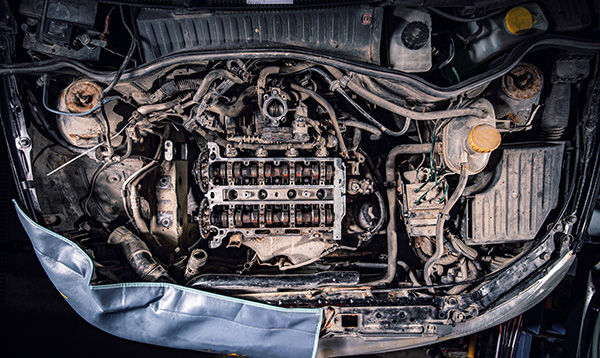
Skipping an oil change once or twice can feel harmless, especially if the engine sounds normal and there are no warning lights. The trouble is that oil problems build slowly, out of sight, while everything still seems fine from the driver’s seat. By the time you hear new noises or notice performance changes, the damage has usually been building for thousands of miles. Treating oil changes as cheap insurance is one of the best ways to keep an engine healthy. Why Your Engine Depends On Fresh Oil Engine oil is more than a slippery liquid. It creates a protective film between moving parts, carries heat away from hot spots, and holds tiny metal particles and soot in suspension so the filter can catch them. Modern engines use tight clearances, variable valve timing, and sometimes turbochargers, all of which depend on clean oil at the right thickness. As miles add up, the oil’s additives get used up fighting heat, wear, and contamination. Detergents that used ... read more